The complete Tokyo food tour guide
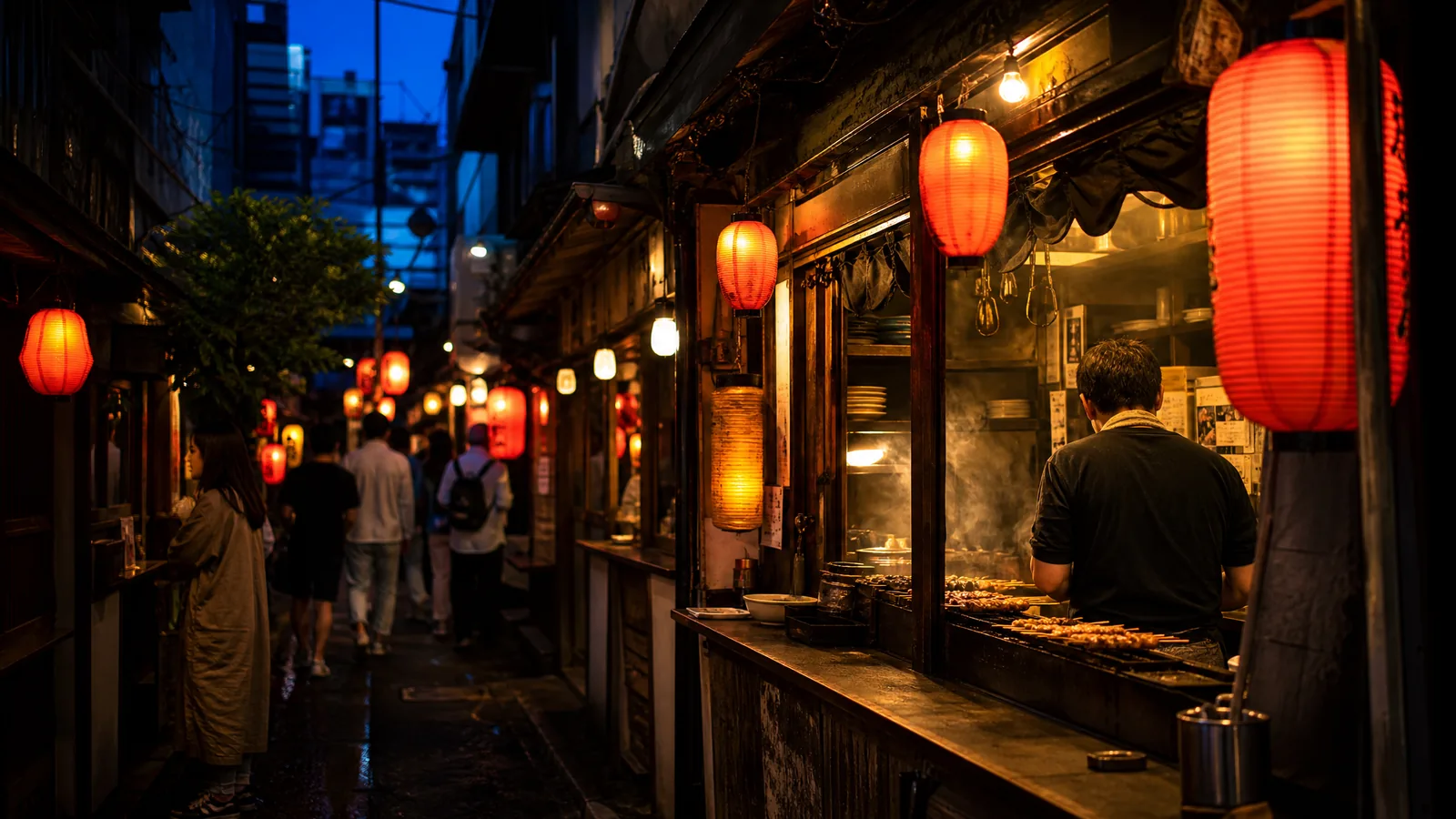
I’ve been guiding food tours in Shinjuku and Tsukiji since 2015, and I grew up over my family’s kissaten in Nakano. What I’ve learned: Tokyo is the best eating city on earth and also the easiest one to eat badly in. Tourists queue 90 minutes for a tuna roll at Tsukiji while the good stall is thirty metres away, or end up in a Shinjuku tourist trap with a laminated English menu. That’s why a food tour — even a $25 market walk — is the cheapest insurance policy in Japanese travel. Two to three hours with a local who orders for you, translates the etiquette, and takes you to counters you would never enter alone. Here’s what matters before you book.
How food tours actually work
The four tours I recommend are not bus-and-audio experiences. They are small groups (10–15 people max), English-speaking guides, and actual food at each stop. The Shinjuku tour ($82) hits four venues in three hours — a stall, an izakaya, a traditional eatery, a gastro-casual spot — and you eat 15 dishes, not a bite at each. The Tsukiji walk ($25) is two hours learning the market, but food is not included because you buy what you fancy at the stalls (budget ¥2,000–3,000). That’s why it’s $25. The ramen tasting ($118) takes you to three specialist shops and you eat six mini bowls, one at each counter. The izakaya crawl ($33) is three hours in Omoide Yokocho and Golden Gai, with venue admission and some food and drink included (20+ only; bring cash). In each, the guide orders for you at places with no English menus and explains what you’re eating and why it matters.
Which of the four tours is for whom
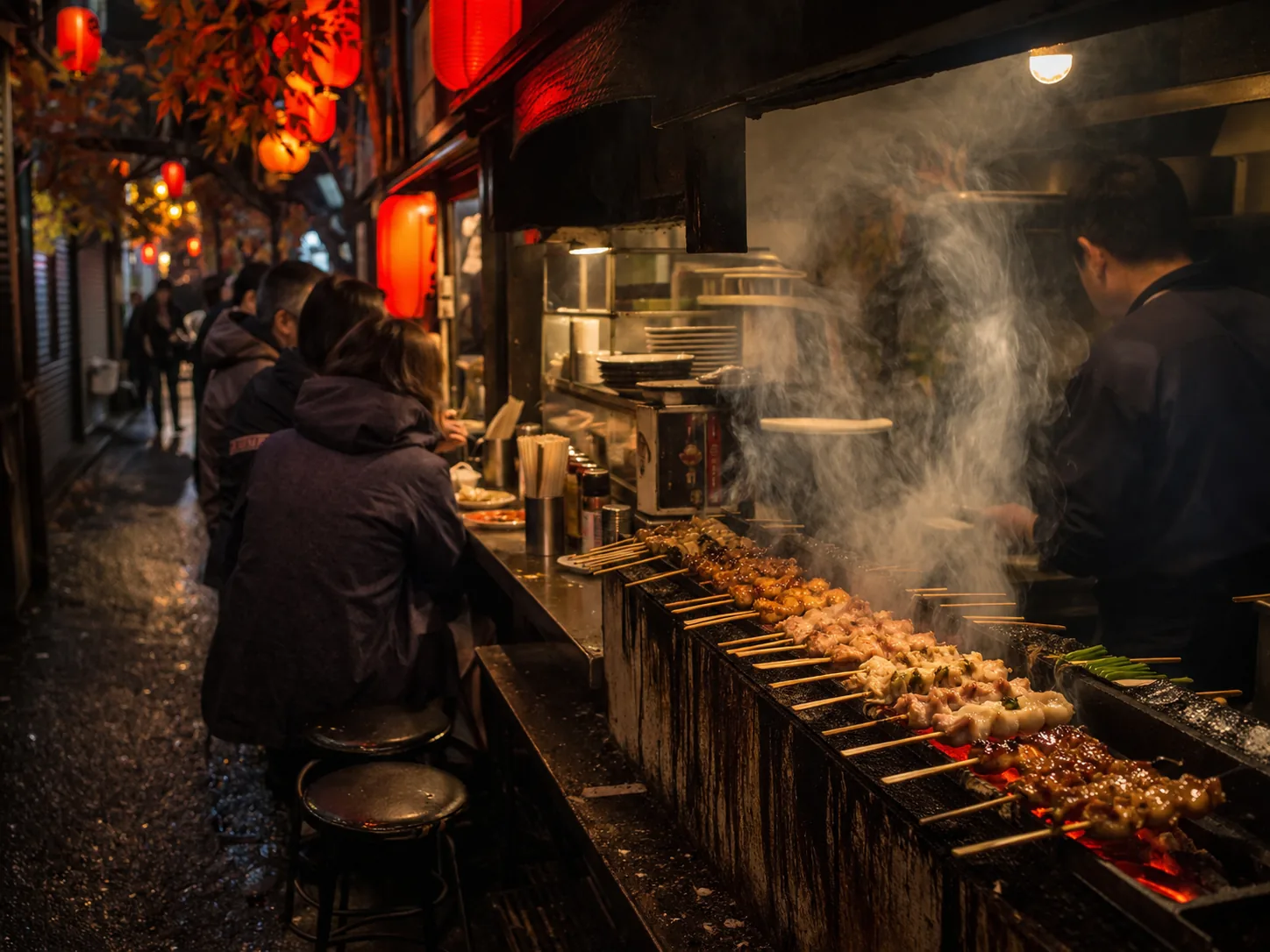
Start with the Shinjuku tour ($82) if you’re in Tokyo for the first time and want the full story: yakitori (charcoal-grilled chicken), proper izakaya culture, the noise and smoke of the alleys. The Tsukiji market walk ($25) is for early risers and people obsessed with seafood — but go 7 to 10 am on a weekday or you’ll miss the moment. The ramen tasting ($118) is specifically for noodle lovers: six bowls, three shops, and you actually learn tonkotsu from shoyu from miso. The izakaya crawl ($33) is for solo travellers (you’ll meet people) and anyone who wants the nightlife angle — tiny bars, no pretence, locals. All four run year-round and almost everything is under cover or indoors.
The etiquette that actually matters
You don’t need to bow or sit seiza. You don’t need chopstick perfection. But four things matter. One: no tipping. Not the guide (gratuities are optional per GetYourGuide, never expected) and not the restaurants. Tipping can cause confused refusals. The price is the price. Say gochisōsama deshita (thanks for the meal) instead. Two: finish your rice. Leaving rice is mildly rude; leaving a mess is worse. Slurping noodles, on the other hand, is completely fine and practical — ramen is served scalding. Three: don’t eat while walking. Tabearuki (eating while walking) is frowned on. Buy, stand and eat by the stall, hand back the skewer or cup. Many Tsukiji stalls have signs asking exactly this. Four: the otōshi. At izakaya, you get a small compulsory starter (¥300–500) that works as a seat charge. It is not a scam; it’s how the bar charges cover. On the crawl, budget roughly ¥1,500–2,000 in otōshi alone across three bars, plus drinks.
The Tsukiji timing rule
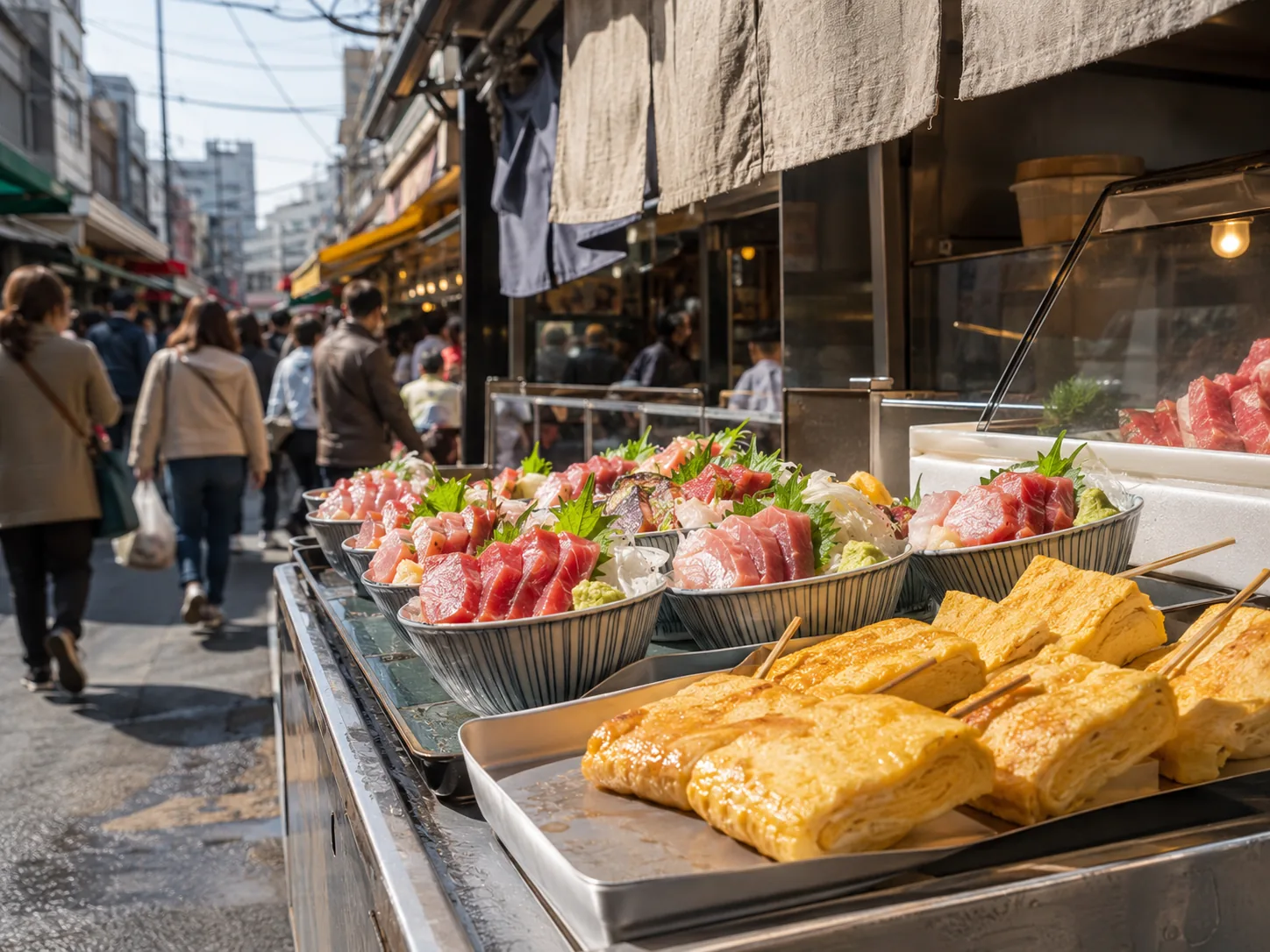
The outer market is best 7:00–10:00 am on a weekday. Serious eaters arrive 6:00–7:00 am to beat the queues at famous counters like tamagoyaki (egg) and tuna skewer shops. Stalls start packing up or selling out by 13:00–14:00; there is no point arriving mid-afternoon. The market is closed Sundays, public holidays, and many shops on Wednesdays (the market’s traditional rest days). Check tsukiji.or.jp before you go. If you only have time for one visit, book the guided walk ($25) and the guide handles the timing. The Outer Market (where you eat) stayed in Tsukiji; the tuna auction moved to Toyosu in October 2018. Toyosu is for auction viewing; Tsukiji is for eating.
Why $25–118 buys more than food
A guide solves three problems at once. First: language. Many izakaya are six seats and no English; the counter staff don’t speak it, the menu doesn’t exist, and you can’t ask what the daily fish is. A guide orders for you and translates the etiquette. Second: access. The best stalls at Tsukiji and the true yakitori spots in Omoide Yokocho are not on Google Maps; they’re found by living there. Third: queuing. Without a guide, you queue solo for 90 minutes at a famous counter. With a guide, you skip the queues and hit lesser-known counters that are honestly better. Budget: you save money and time. Experience: you actually understand what you’re eating and why. First 48 hours in Tokyo? Non-negotiable. Returning traveller who wants ramen depth? The six-bowl tasting ($118) is your move.
Money: cash and the yen
Carry about ¥8,000 in cash for Tsukiji. Many stalls are cash-only, though most sit-down restaurants now take cards. Street food is cheap: tamagoyaki skewers, tuna skewers, onigiri, taiyaki run ¥300–1,000. On the izakaya crawl, bring cash for the otōshi and drinks. IC cards and cards increasingly work at sit-down restaurants, but don’t assume. Ask the guide on the day.
When to go, and how hungry to be
Food tours run year-round, rain or shine. Almost everything is under cover or indoors. Mornings suit Tsukiji (the market closes early); evenings suit izakaya culture and the yakitori smoke of Memory Lane. The ramen tasting runs afternoon or evening so you get full dinner service at the shops. One piece of pacing advice: hara hachi bu — eat until 80% full. Skip the konbini breakfast, arrive hungry, and you’ll finish all 15 dishes on the Shinjuku tour without pain. On the six-bowl ramen experience, the same logic applies.
The bottom line
Tokyo is easy to eat badly in: the queues, the language, the tourist traps. It’s also the easiest city on earth to eat well in if you know where to stand and what to ask. From $25, a local guide does both. Go hungry, bring cash, ask questions, finish your rice, and don’t eat while walking. The rest follows.
Check dates and book
If you only book one, book the Shinjuku food tour — 15 tastings across four very different eateries, and the guide doubles as a planning consultant for the rest of your trip. Live availability below, free cancellation up to 24 hours before. Or compare all four tours first.
Frequently asked questions
Are food tours in Tokyo worth the money?
For your first day or two, yes — the maths works out. From $25 you get a guide who orders in Japanese, explains what you’re eating and steers you past the tourist traps. The $82 Shinjuku tour packs in 13 dishes and 2 drinks, which is close to what you’d spend eating the same spread on your own — without the wrong turns.
What is the best food tour in Tokyo?
The most-booked one is the Shinjuku Food Tour — 4.9 stars from 3,051 reviews, 3 hours, 4 eateries. For markets take the Tsukiji walk, for noodles the ramen tasting, for nightlife the izakaya crawl. The reviews hub compares all four honestly.
Do you tip a food tour guide in Japan?
No — Japan has no tipping culture. GetYourGuide lists gratuities as optional on these tours, but nothing is expected, and in restaurants and stalls tipping can cause confused refusals. A sincere gochisosama deshita at the end is the local way to say the meal was good.
When should I visit Tsukiji Outer Market?
Between 7:00 and 10:00 on a weekday — stalls start packing up by 13:00–14:00, and the market rests on Sundays, holidays and many Wednesdays. Serious eaters go 6:00–7:00 to beat the queues. Full detail on the market hours page, and carry about ¥8,000 in cash.
Is it rude to eat while walking in Japan?
Generally yes — tabearuki is frowned on, and many Tsukiji stalls post signs asking you to stand and eat beside the stall, then hand back the skewer or cup. It’s one of several small rules — along with finishing your rice and never planting chopsticks upright — covered in the etiquette guide.
What should I wear on a Tokyo food tour?
Comfortable walking shoes, and for Tsukiji specifically closed-toe shoes — the market’s floors are wet and slippery and carts push through the lanes. No dress code anywhere else; izakaya are as casual as it gets.