Key takeaways
- Shinjuku food tour ($82): 15 dishes & 4 eateries across 3 hours, the best-connected food neighbourhood in Tokyo.
- Tsukiji market walk ($25): arrive 7–10 am on a weekday, food & drink are extra (budget ¥2,000–3,000), the outer market stayed; the tuna auction moved to Toyosu.
- Ramen tasting ($118): 6 mini bowls across 3 specialist shops, afternoon or evening runs, the most efficient way to taste Tokyo ramen.
- Izakaya crawl ($33): Omoide Yokocho & Golden Gai, 20+ only, bring cash — the otōshi (starter charge) is ¥300–500 per bar, not a scam.
- No tipping anywhere. Guides: gratuities are optional per GetYourGuide, never expected. Restaurants: tipping is not done and can confuse staff.
- Etiquette matters. Finish your rice, don’t eat while walking (tabearuki), slurp noodles, and never stick chopsticks upright in rice.
What Tokyo food tours include
What you see, what’s covered and what separates a good guide from the crowds — at a glance.
What you’ll experience
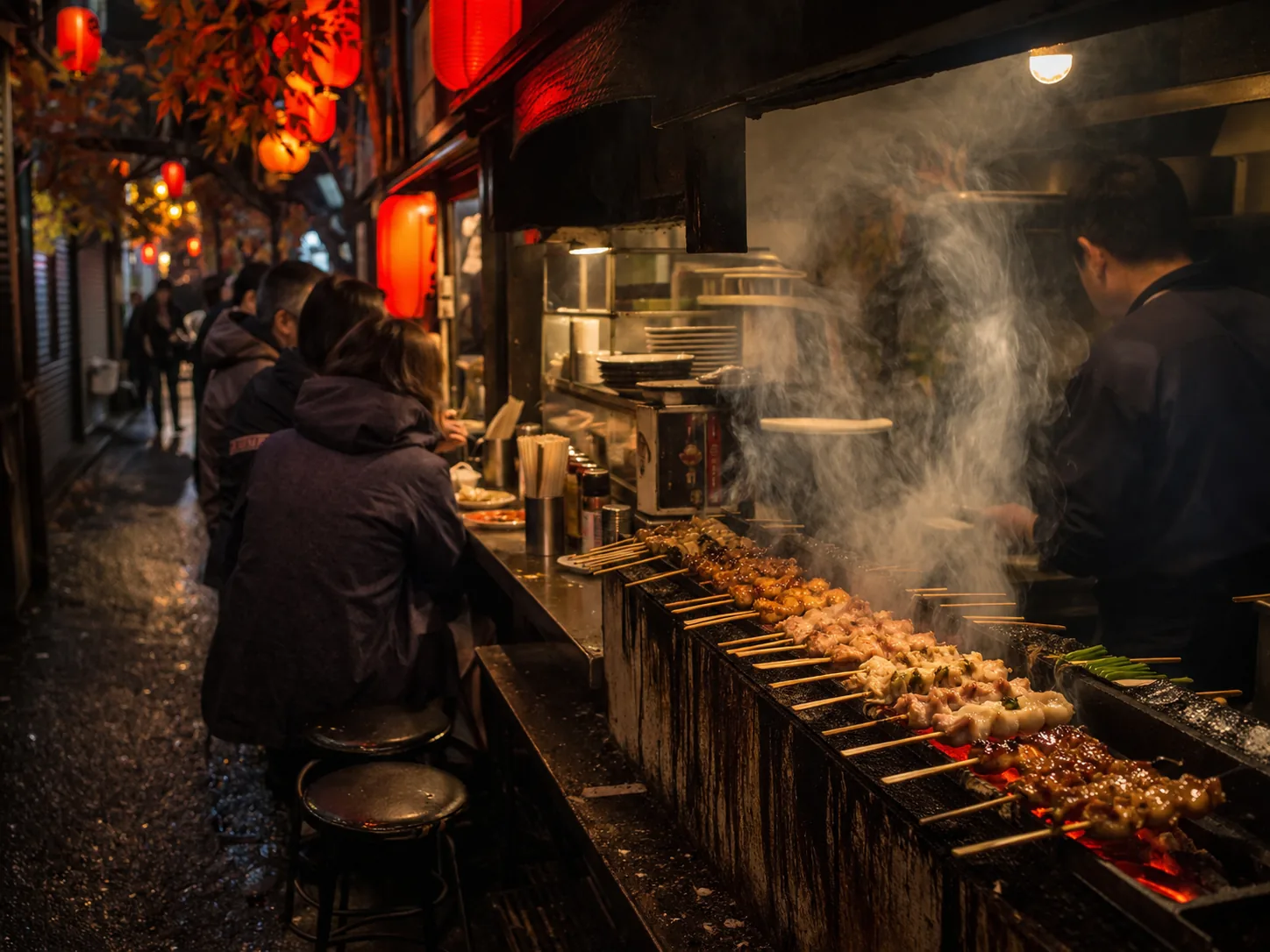
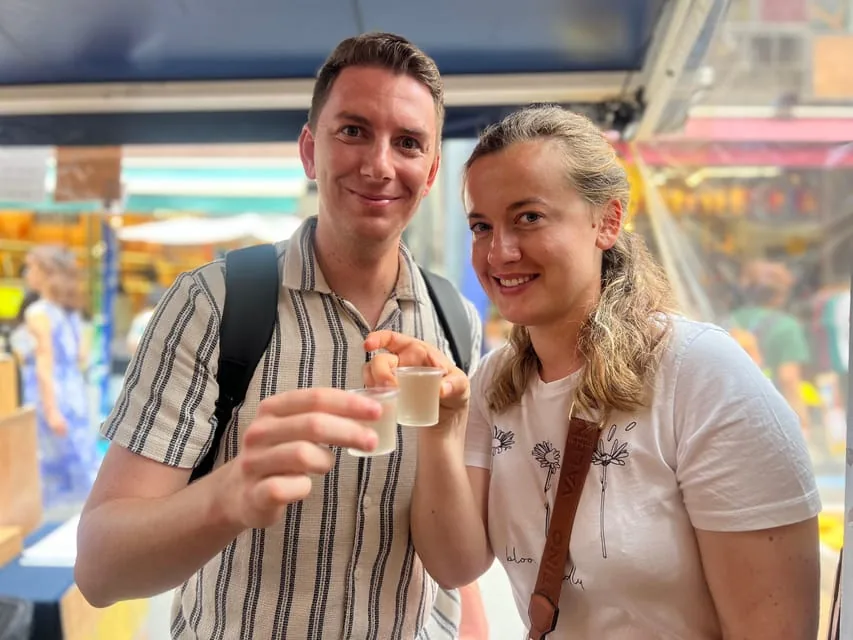
- Shinjuku alleys: yakitori stalls, izakaya, gastro-casual eateries
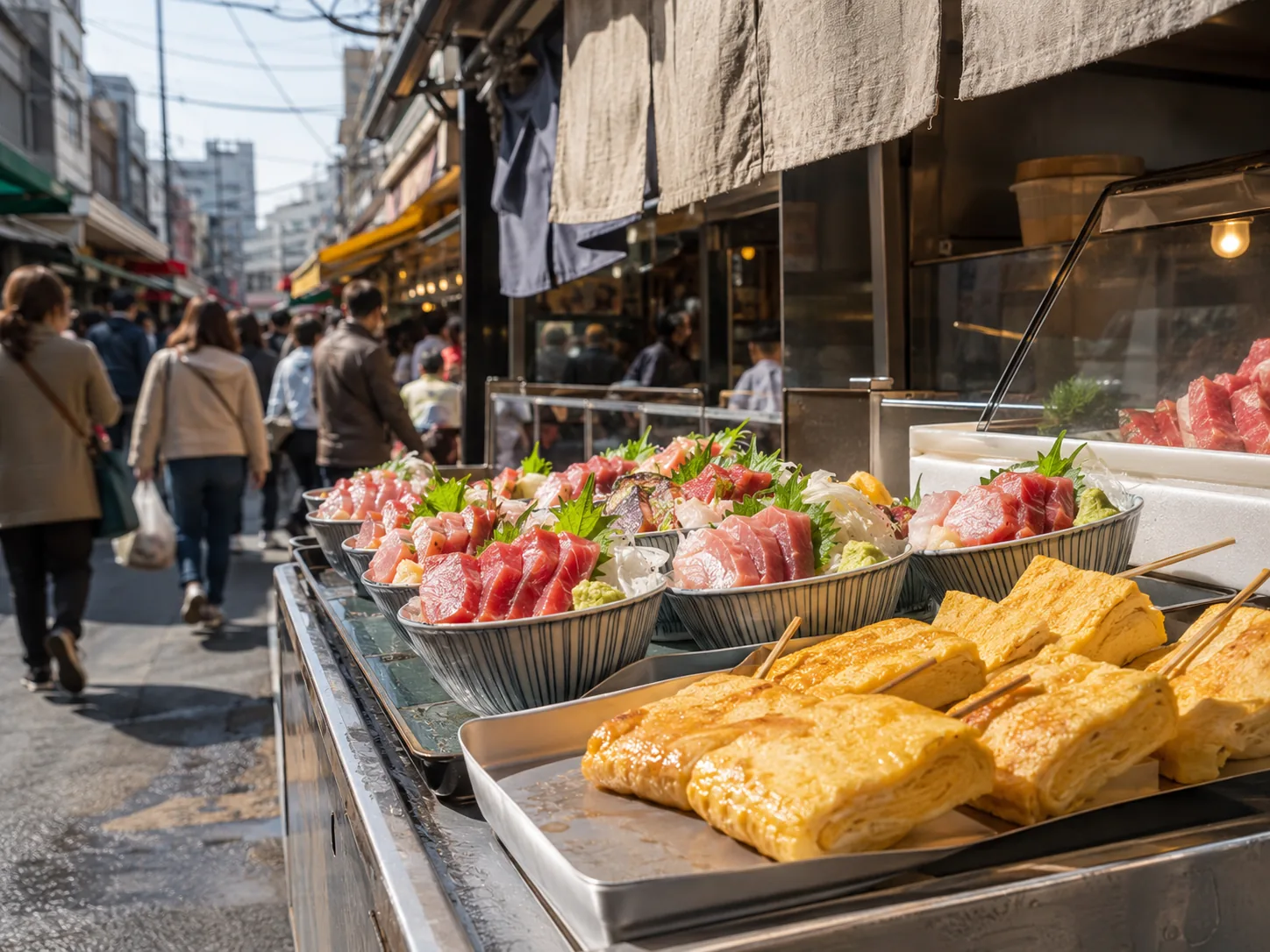
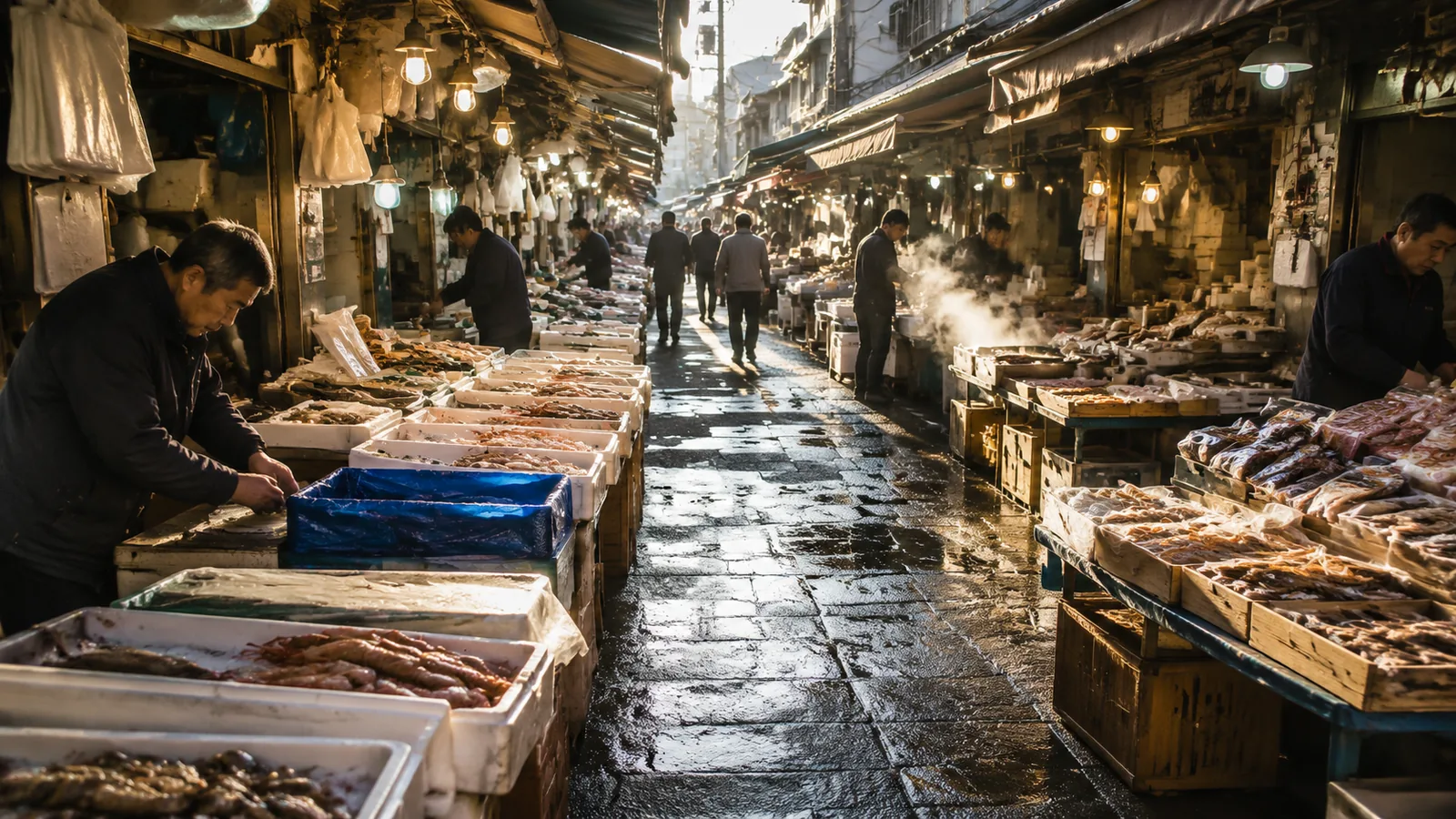
- Tsukiji Outer Market: tamagoyaki, fresh uni & tuna, seasonal stalls
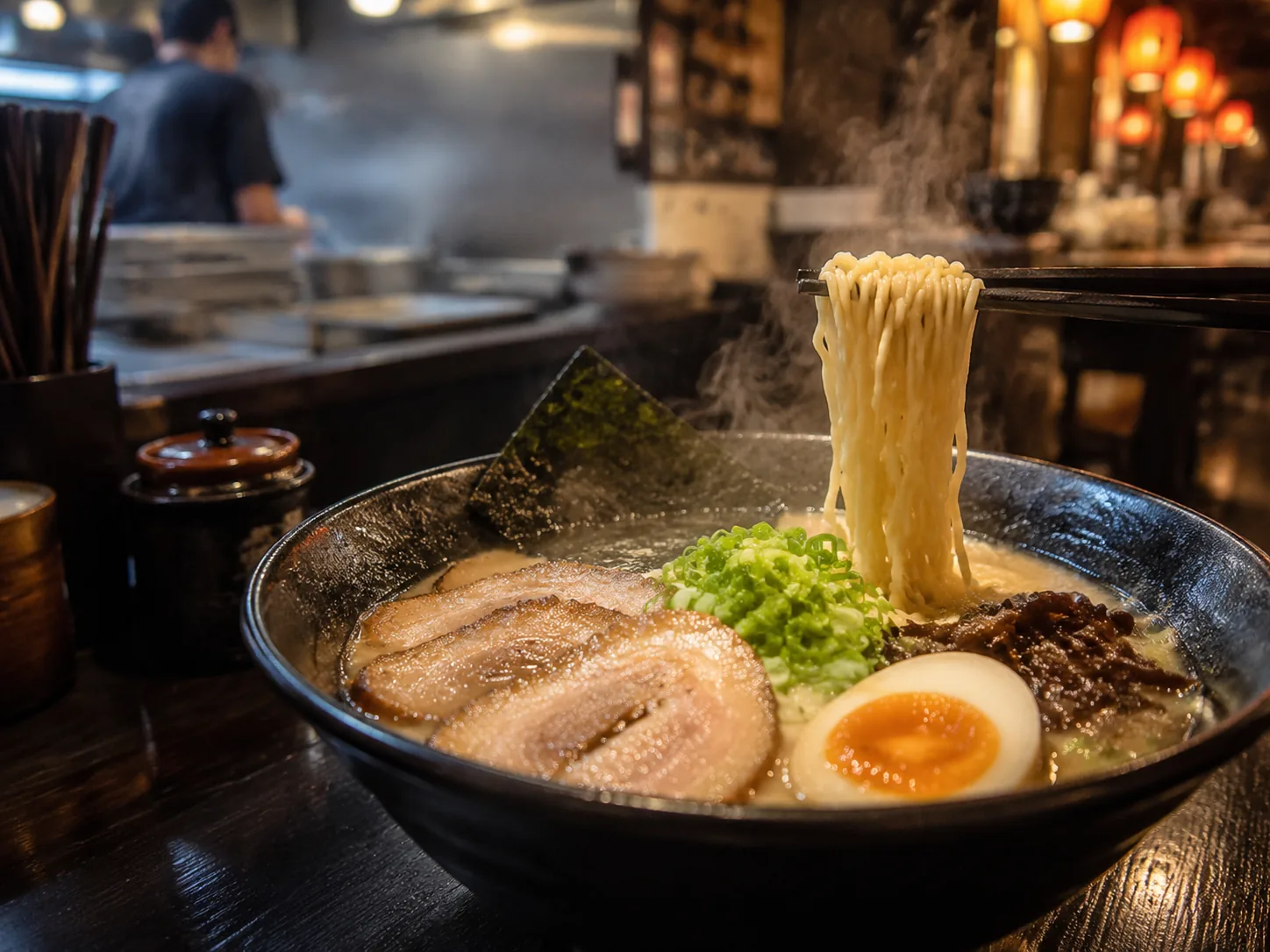
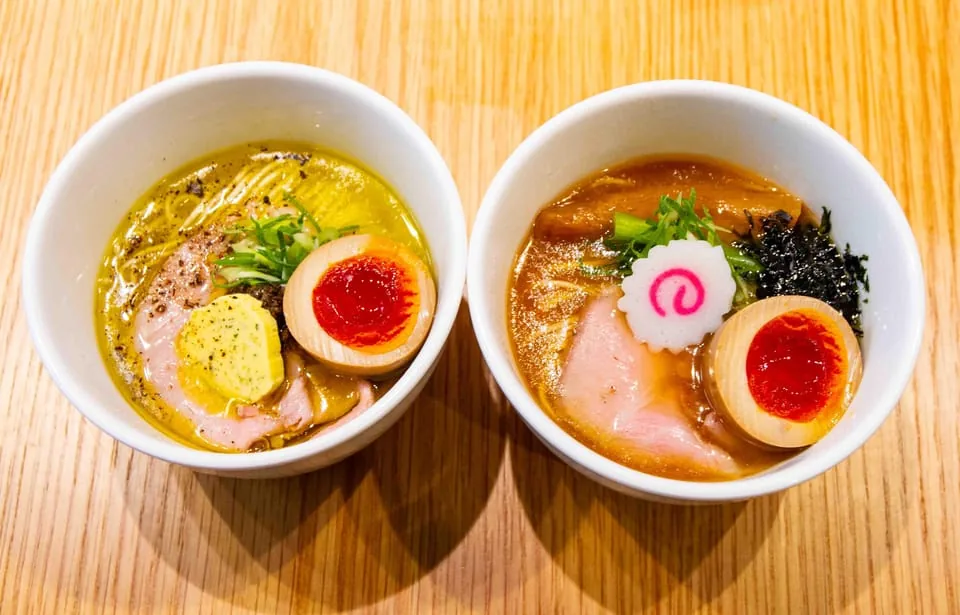
- Ramen specialist shops: tonkotsu, shoyu & miso bowls, proper technique
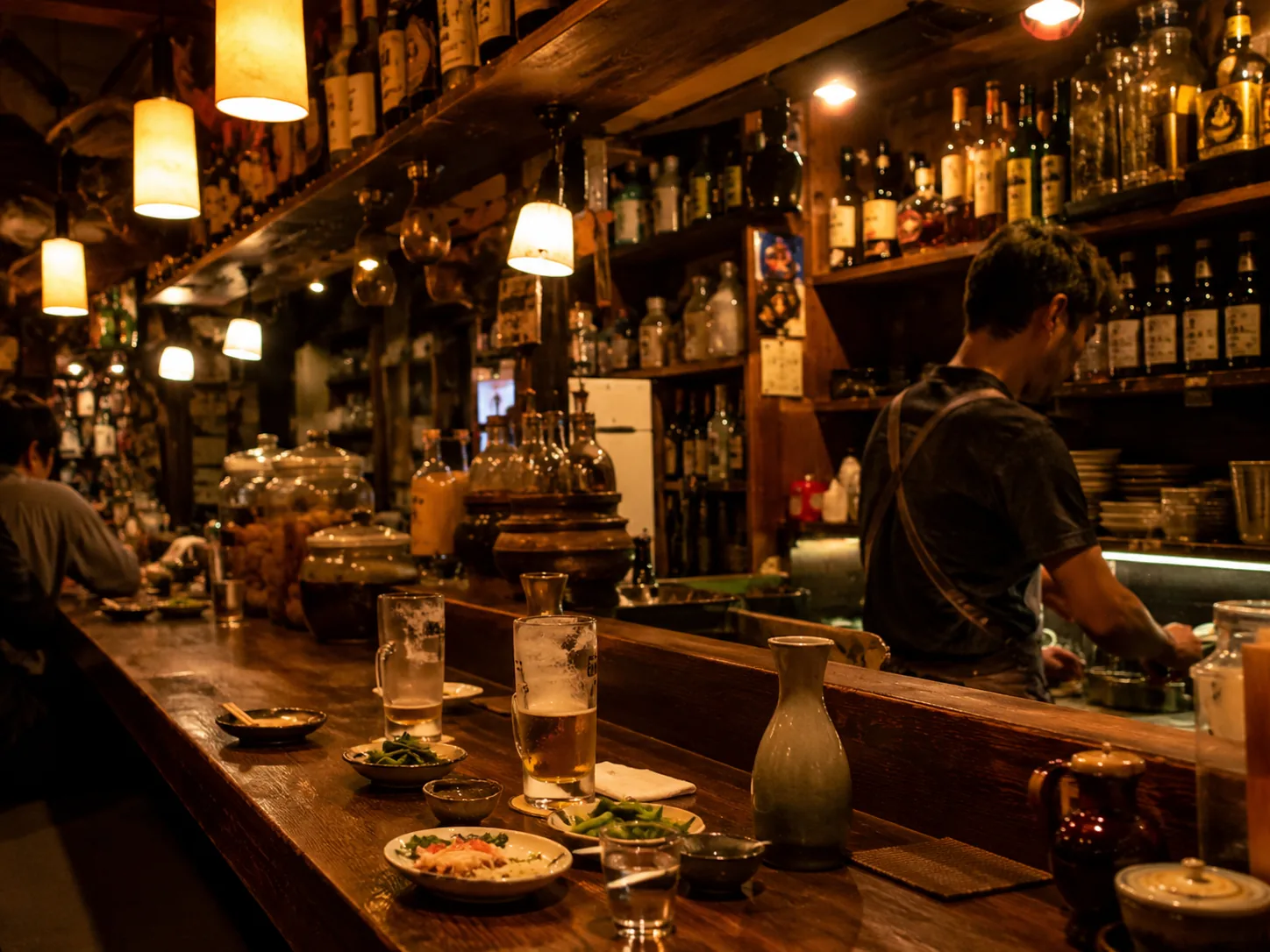
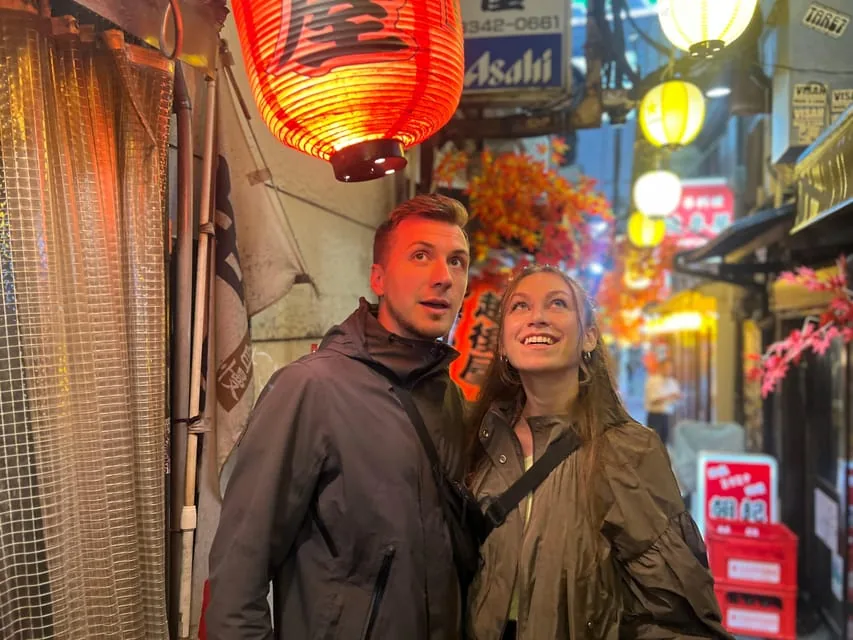
- Izakaya: charcoal yakitori, edamame, sake & beer, the real Memory Lane
What’s included in the price
- English-speaking professional guide who lives in Tokyo
- Curated restaurant & stall selection (no tourist traps)
- Order assistance at counters with no English menus
- Free cancellation and instant confirmation on booking
The perfect eating day in Tokyo
A realistic itinerary if you fit all four experiences into one visit — here’s how a local eater would pace it.
Start early at Tsukiji Outer Market (7:00 am weekday window) with tamagoyaki and fresh tuna, then move to a kissaten (traditional coffee shop) for espresso. Mid-afternoon brings ramen tasting at three specialist shops. At dusk, head to Omoide Yokocho in Shinjuku (yakitori smoke and charcoal), then detour into Golden Gai for a nightcap.
- Tsukiji at 7:00 am — Tamagoyaki egg skewers & fresh uni bowls before the lunch queue forms.
- Kissaten (coffee house) — Espresso & rest legs after the market stall grazing.
- Ramen tasting (15:00) — Six mini bowls across three shops: tonkotsu, shoyu, miso — the regional styles.
- Omoide Yokocho at dusk — Yakitori smoke, izakaya character, the oldest eating street in the area.
- Golden Gai nightcap — Tiny standing bars (5–8 seats), sake, conversation with locals.
This is the dream itinerary. In reality: Tsukiji timing is firm (7–10 am weekday), ramen tours run afternoon or evening, and booked tours compress the logic so you hit the best counters and don’t queue alone. From here, you can wander the Shinjuku neighbourhood on foot or book a guided crawl for the story behind each stop.
How booking works
Pick your tour
Start with the flagship Shinjuku walk or the Tsukiji market — most first-timers choose one.
Check live times
See real dates & prices from GetYourGuide. Book the time that fits your itinerary.
Book in seconds
One-click confirmation; free cancellation up to 24 hours before.
Just turn up
Your confirmation has the meeting point & guide’s name. Bring a copy on your phone.
Book a Tokyo food tour
The Shinjuku 15-dish tour is the most popular entry point — live availability, instant confirmation, free cancellation up to 24 hrs before.
Which Tokyo food tour is right for you?
Four very different eating experiences. Here’s what each delivers.
| Tokyo: Tsukiji Fish Market Guided Walking Tour | Most popularTokyo: Shinjuku Food Tour (15 Dishes and 4 Eateries) | Tokyo: Shinjuku Local Bar & Izakaya Crawl Tour | |
|---|---|---|---|
| Price | $25 | $82 | $33 |
| Duration | 2 hrs | 3 hrs | 3 hrs |
| Best for | Market vibe | Intro to eating Tokyo | Nightlife & small bars |
| Food included | No (buy at stalls) | Yes (4 venues) | Partial (20+ only) |
| Time of day | 7–10 am | Morning or afternoon | Evening |
| What you get | Tsukiji Outer Market walk | 15 dishes & 4 eateries | Izakaya crawl + Memory Lane |
| Group size | 12–15 | 12–15 | 10–12 |
| Rating | 4.8 | 4.9 | 4.9 |
| View → | Book this → | View → |
Photo Gallery
Tokyo food tours — through the lens
Stalls, alleys, steaming bowls and the faces of the guides who make the difference.
Popular Tokyo food tours
From the $25 market walk to the full 15-dish Shinjuku experience — all recommended.
Best sellerTokyo: Shinjuku Food Tour (15 Dishes and 4 Eateries)
 Best value
Tokyo: Tsukiji Fish Market Guided Walking Tour
 For ramen lovers
Tokyo: Ramen Tasting Tour with 6 Mini Bowls of Ramen
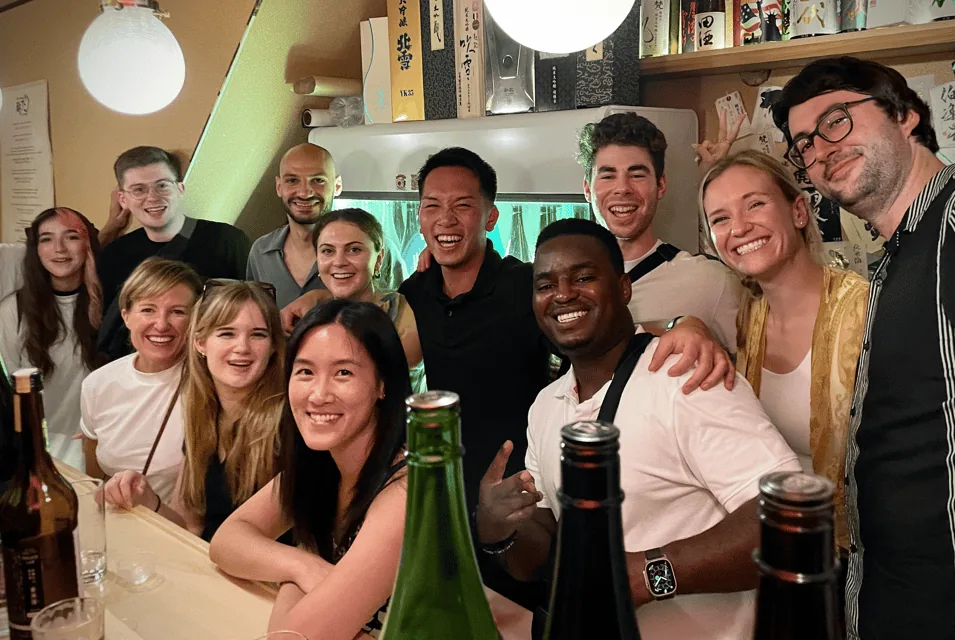 Nightlife
Tokyo: Shinjuku Local Bar & Izakaya Crawl Tour
What guests say about Tokyo food tours
Reviews from real travellers who booked the tours we feature.
Our guide Izzy gave us so much history and context about each neighbourhood. We learned more about Tokyo food culture in three hours than we would have in a week alone.
The Tsukiji walk was exactly what we needed — Rie showed us the stalls locals queue for, not the tourist traps. Tamagoyaki was incredible.
If you love ramen, do not skip this. We tasted six different styles and actually understood the differences. Daisy was patient when a shop closed & rerouted us seamlessly.
The izakaya crawl was chaotic and brilliant. Our guide Nae knew the owners personally and the group was so much fun. Bring cash, arrive hungry.
Tobias from Germany said this tour was essential for first-timers in Japan. I’d agree. The guide explains etiquette, haggling, tipping culture, and gets you to counters you’d never enter alone.
Ville from Finland said the tour was knowledgeable and thoughtful. Not just eating; understanding why. That’s the difference.
Ratings and reviews are the operators’ live GetYourGuide figures. Read our full tour reviews ›
Quick answers before you book
Six things worth knowing so you eat well, navigate etiquette and spend your money wisely.
Are Tokyo food tours worth the money?
Yes — from $25 you get language barriers solved, access to counters with no English menus, and the local knowledge to avoid the 90-minute tourist queues. First 48 hours in Tokyo? Non-negotiable.
Which tour should I book first?
The Shinjuku flagship ($82) is the complete introduction. Tsukiji ($25) if you’re budget-conscious or only want the market vibe. Morning tours suit markets; evening suits izakaya.
Do I have to tip the guide?
No. Gratuities are optional per GetYourGuide (not expected) and tipping restaurant staff confuses them. The price is the price. Saying gochisōsama deshita (thanks for the meal) is enough.
When is the best time to visit Tsukiji?
7:00–10:00 am on a weekday. Famous counters start queuing at 6:00 am. By 13:00–14:00 stalls are selling out or closed. No point arriving mid-afternoon. The Outer Market (eating) stayed here; the auction moved to Toyosu in 2018.
Is it rude to eat while walking in Tokyo?
Yes, tabearuki (eating while walking) is frowned on. Buy & stand by the stall, finish there, hand back the skewer or cup. Tsukiji stalls expect this; many have signs.
How much cash do I need?
Carry ¥8,000 for Tsukiji; many stalls are cash-only. The izakaya crawl ($33) requires cash for the otōshi (mandatory starter, ¥300–500 per bar). IC cards & cards increasingly work at sit-down restaurants.
What should I wear to a food tour?
Can I book Tsukiji market entry in advance?
No — the Outer Market has no advance tickets or reservations. You pay ¥0 entry and buy food as you go. Book a guided tour instead ($25) for the timing & story.
Can’t make these dates?
Browse more available Tokyo food, izakaya & market tours and find one that fits your schedule — all with instant confirmation and free cancellation.
Eating Tokyo, explained
I’ve been guiding food tours in Shinjuku and Tsukiji since 2015, and I grew up over my family’s kissaten in Nakano. What I’ve learned: Tokyo is the best eating city on earth and also the easiest one to eat badly in. Tourists queue 90 minutes for a tuna roll at Tsukiji while the good stall is thirty metres away, or end up in a Shinjuku tourist trap with a laminated English menu. That’s why a food tour — even a $25 market walk — is the cheapest insurance policy in Japanese travel. Two to three hours with a local who orders for you, translates the etiquette, and takes you to counters you would never enter alone. Here’s what matters before you book.
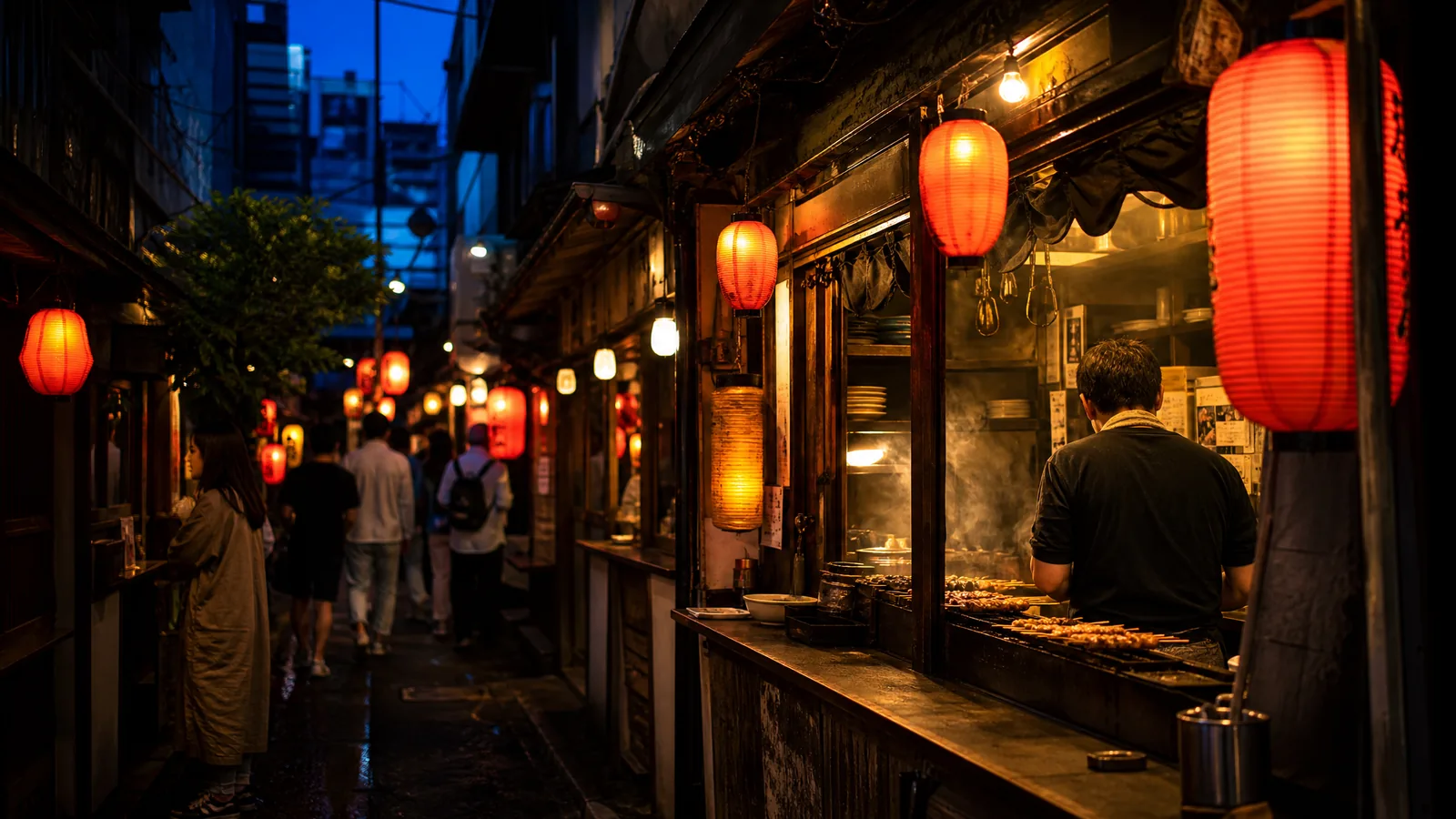
How food tours actually work
The four tours I recommend are not bus-and-audio experiences. They are small groups (10–15 people max), English-speaking guides, and actual food at each stop. The Shinjuku tour ($82) hits four venues in three hours — a stall, an izakaya, a traditional eatery, a gastro-casual spot — and you eat 15 dishes, not a bite at each. The Tsukiji walk ($25) is two hours learning the market, but food is not included because you buy what you fancy at the stalls (budget ¥2,000–3,000). That’s why it’s $25. The ramen tasting ($118) takes you to three specialist shops and you eat six mini bowls, one at each counter. The izakaya crawl ($33) is three hours in Omoide Yokocho and Golden Gai, with venue admission and some food and drink included (20+ only; bring cash). In each, the guide orders for you at places with no English menus and explains what you’re eating and why it matters.
Which of the four tours is for whom
Start with the Shinjuku tour ($82) if you’re in Tokyo for the first time and want the full story: yakitori (charcoal-grilled chicken), proper izakaya culture, the noise and smoke of the alleys. The Tsukiji market walk ($25) is for early risers and people obsessed with seafood — but go 7 to 10 am on a weekday or you’ll miss the moment. The ramen tasting ($118) is specifically for noodle lovers: six bowls, three shops, and you actually learn tonkotsu from shoyu from miso. The izakaya crawl ($33) is for solo travellers (you’ll meet people) and anyone who wants the nightlife angle — tiny bars, no pretence, locals. All four run year-round and almost everything is under cover or indoors.
The etiquette that actually matters
You don’t need to bow or sit seiza. You don’t need chopstick perfection. But four things matter. One: no tipping. Not the guide (gratuities are optional per GetYourGuide, never expected) and not the restaurants. Tipping can cause confused refusals. The price is the price. Say gochisōsama deshita (thanks for the meal) instead. Two: finish your rice. Leaving rice is mildly rude; leaving a mess is worse. Slurping noodles, on the other hand, is completely fine and practical — ramen is served scalding. Three: don’t eat while walking. Tabearuki (eating while walking) is frowned on. Buy, stand and eat by the stall, hand back the skewer or cup. Many Tsukiji stalls have signs asking exactly this. Four: the otōshi. At izakaya, you get a small compulsory starter (¥300–500) that works as a seat charge. It is not a scam; it’s how the bar charges cover. On the crawl, budget roughly ¥1,500–2,000 in otōshi alone across three bars, plus drinks.
The Tsukiji timing rule
The outer market is best 7:00–10:00 am on a weekday. Serious eaters arrive 6:00–7:00 am to beat the queues at famous counters like tamagoyaki (egg) and tuna skewer shops. Stalls start packing up or selling out by 13:00–14:00; there is no point arriving mid-afternoon. The market is closed Sundays, public holidays, and many shops on Wednesdays (the market’s traditional rest days). Check tsukiji.or.jp before you go. If you only have time for one visit, book the guided walk ($25) and the guide handles the timing. The Outer Market (where you eat) stayed in Tsukiji; the tuna auction moved to Toyosu in October 2018. Toyosu is for auction viewing; Tsukiji is for eating.
Why $25–118 buys more than food
A guide solves three problems at once. First: language. Many izakaya are six seats and no English; the counter staff don’t speak it, the menu doesn’t exist, and you can’t ask what the daily fish is. A guide orders for you and translates the etiquette. Second: access. The best stalls at Tsukiji and the true yakitori spots in Omoide Yokocho are not on Google Maps; they’re found by living there. Third: queuing. Without a guide, you queue solo for 90 minutes at a famous counter. With a guide, you skip the queues and hit lesser-known counters that are honestly better. Budget: you save money and time. Experience: you actually understand what you’re eating and why. First 48 hours in Tokyo? Non-negotiable. Returning traveller who wants ramen depth? The six-bowl tasting ($118) is your move.
Money: cash and the yen
Carry about ¥8,000 in cash for Tsukiji. Many stalls are cash-only, though most sit-down restaurants now take cards. Street food is cheap: tamagoyaki skewers, tuna skewers, onigiri, taiyaki run ¥300–1,000. On the izakaya crawl, bring cash for the otōshi and drinks. IC cards and cards increasingly work at sit-down restaurants, but don’t assume. Ask the guide on the day.
When to go, and how hungry to be
Food tours run year-round, rain or shine. Almost everything is under cover or indoors. Mornings suit Tsukiji (the market closes early); evenings suit izakaya culture and the yakitori smoke of Memory Lane. The ramen tasting runs afternoon or evening so you get full dinner service at the shops. One piece of pacing advice: hara hachi bu — eat until 80% full. Skip the konbini breakfast, arrive hungry, and you’ll finish all 15 dishes on the Shinjuku tour without pain. On the six-bowl ramen experience, the same logic applies.
The bottom line
Tokyo is easy to eat badly in: the queues, the language, the tourist traps. It’s also the easiest city on earth to eat well in if you know where to stand and what to ask. From $25, a local guide does both. Go hungry, bring cash, ask questions, finish your rice, and don’t eat while walking. The rest follows.
Frequently asked questions
What is the best Tokyo food tour?
For most first-timers, the Shinjuku food tour ($82, 4.9★) is the best entry point: 15 dishes across four venues, 3 hours with an English guide, no queuing alone at counters with no menus. Budget travellers go Tsukiji ($25); ramen lovers choose the six-bowl tasting ($118). See our full comparison of all four.
How much does a Tokyo food tour cost?
Tours run from $25 (Tsukiji market walk, food not included) to $118 (ramen tasting). The flagship Shinjuku tour is $82; the izakaya crawl is $33. All include a guide & instant confirmation, with free cancellation up to 24 hrs before.
How long is a typical food tour in Tokyo?
Most run 2–3 hours. Tsukiji market ($25) is 2 hours; Shinjuku ($82), ramen ($118) and izakaya ($33) are all 3 hours. Add transit time if combining multiple tours.
When should I go to Tsukiji market?
The sweet spot is 7:00–10:00 am on a weekday. Serious eaters arrive 6:00–7:00 am. Stalls start selling out or closing by 13:00–14:00. Closed Sundays, public holidays, and many shops on Wednesdays (the market’s traditional rest days).
Do I need to know Japanese to take a food tour?
No. All featured tours have English-speaking guides who order for you and translate etiquette. The guide explains chopstick basics, why you slurp noodles and why you finish your rice. That’s the whole point.
Can I book my own food tour instead of a guided one?
You can, but you’ll navigate counters with no English menus, unwritten etiquette rules (like the otōshi at izakaya), and stand queuing for hours at the famous stalls. From $25, a guide solves all three problems. First 48 hours in Tokyo? Worth it.
What’s the difference between Shinjuku and Shibuya for food?
Shinjuku has the historic alleys (Omoide Yokocho, Golden Gai), older yakitori & izakaya culture. Shibuya is bigger, brighter, younger. Food tours run in Shinjuku because the old character & tiny counters are what travellers can’t find online.
Is the Tsukiji market still open after the 2018 move?
Yes — the Outer Market (400+ shops & stalls for eating) stayed in Tsukiji. The inner wholesale market (tuna auction) moved to Toyosu. Tsukiji is still the street-food destination. Toyosu is for the auction viewing deck.
Still have questions? Email us [email protected]